


| زمان مطالعه ۵ دقیقه
rayadesignco
| 31 October 2026
در این مقاله میخوانید
Designing a workplace begins long before choosing forms, colors, furniture, or drawing floor plans. It starts with understanding the organization. Every organization has its own structure, culture, human relationships, and ways of working. These characteristics should form the basis of architectural decisions. In workplace design, understanding an organization cannot be achieved simply by collecting a list of client requirements. Conversations with managers and employees, observing how teams work, and analyzing organizational relationships can reveal needs that may not be apparent in the initial project brief.
Why Does Dialogue Matter in Workplace Design?
An organization may request an open-plan office, while a significant part of its employees’ work actually requires concentration, privacy, or online meetings. Similarly, a company may ask for more meeting rooms, when its real challenge lies in how teams communicate and collaborate. In such situations, the designer’s role goes beyond simply meeting the stated requirements. It is about identifying the organization’s actual needs and understanding the challenges behind them. That is why the first question in a design project should not simply be, “What kind of space do you want?” but rather, “How does your organization work?”
Designing Workplaces for Evolving Organizations
One of the main challenges in workplace design is the continuous change in organizational needs. Business growth, changes in team structures, and new ways of working can affect the functionality of an office in a relatively short time.
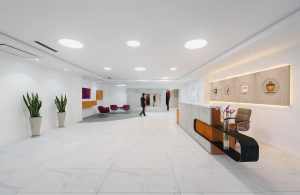
The Hazarestan Holding project is an example of this challenge. The design and construction of different areas took place over two years, while the organization continued its daily operations. Spatial requirements emerged gradually, and there was no fixed master plan for all areas from the beginning. In this project, Raya’s role extended beyond interior design to include interior architecture consultancy and design strategy. Continuous engagement with the organization and ongoing discussions about emerging needs helped maintain architectural consistency throughout the different phases of development.
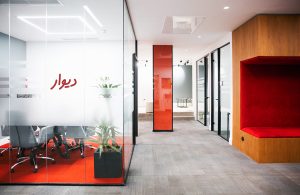
At Divar, changes in working patterns during the COVID-19 pandemic also created a need for separate spaces dedicated to individual work and online meetings. This need was driven by changes in the organization’s working methods rather than by a simple change in design preferences.

From Understanding the Organization to Design Strategy
Dialogue becomes an effective design tool when its outcomes are translated into spatial decisions. Understanding the relationships between teams influences how different departments are arranged. Identifying the need for both concentration and interaction helps determine the balance between open and enclosed spaces. Understanding an organization’s future plans can also provide a foundation for creating flexible work environments. From this perspective, interior architecture consultancy and design strategy become essential before decisions about form and materials are made. The quality of a workplace largely depends on the decisions taken during the early stages of a project.
Design Begins with Dialogue
Form, color, and materials are important elements of interior architecture, but they cannot replace a genuine understanding of the organization.
A successful workplace is one that creates a meaningful connection between employees’ needs, organizational structure, and architectural quality.
Workplace design begins by asking the right questions — and dialogue is the first tool in the design process.


لینک کپی شد
مقالات مشابه
| زمان مطالعه ۵ دقیقه
Hello
Welcome to WordPress. This is your first post. Edit or delete it, then start writing!

21 May 2025